The Valuer's Verdict: Why Some Old Jackets End Up Behind Glass and Others in the Bin
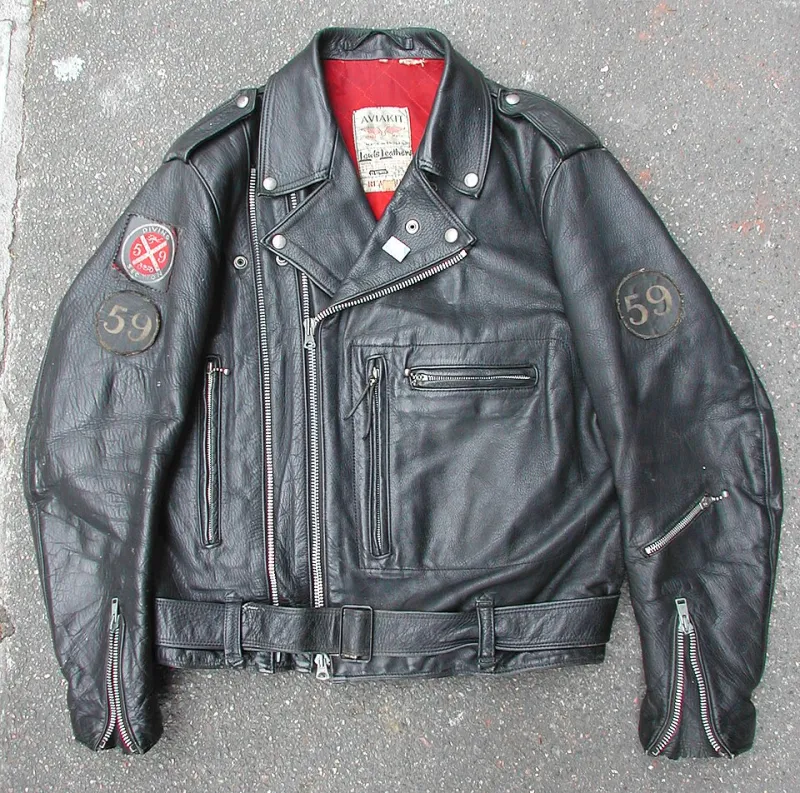
Photo: Timken Bearing, CC BY-SA 3.0, via Wikimedia Commons
The Table Where Value Is Decided
There is a particular hush that falls over a saleroom when a box lot is opened and a folded leather jacket emerges from sixty years of tissue paper. The valuer's hands go to the seams first, then the hem, then — almost instinctively — the lining. Within a minute or two, a decision has been made. This jacket will be photographed, catalogued and given its own lot number. Or it will be bundled back into the box with the moth-eaten scarves and sold by the metre.
It is a judgement most shoppers never witness, and it is more instructive than any buying guide. Because what the valuer is reading is not fashion. Fashion left that jacket behind sometime around the Beatles' second album. What the valuer is reading is construction — and construction, it turns out, is the only thing that survives.
From Oxfam Rail to Auction Catalogue
The shift has been gradual but unmistakable. Twenty years ago, a 1960s British leather jacket was a charity shop curiosity, priced at a fiver and bought by students for a laugh. Today, specialist dealers in London's antique markets and regional auction houses alike catalogue named British makers — the saddlers and tanneries whose labels once meant nothing to anyone under fifty — as genuine collectables.
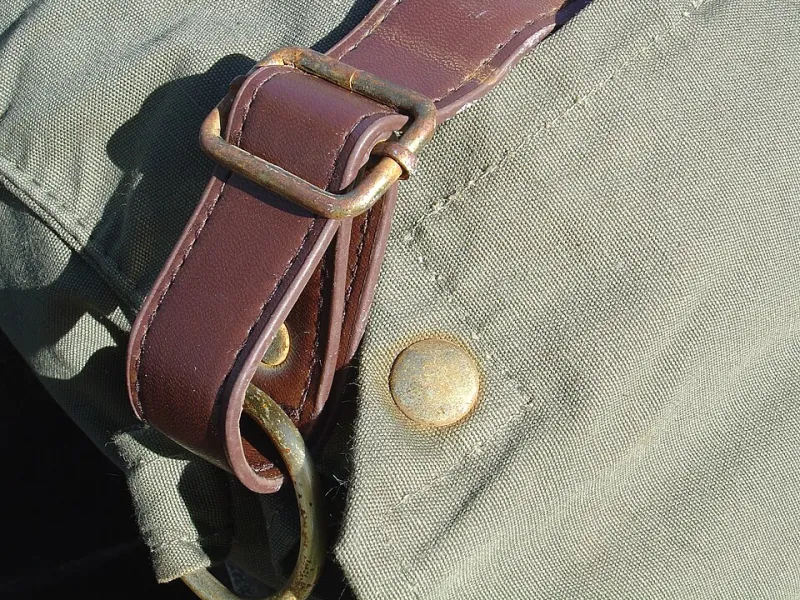
Dealers we spoke to describe the hierarchy plainly. Vegetable-tanned hides command attention before chrome-tanned ones. Hand-stitched or machine-lockstitched seams hold their value where glued assemblies have quietly disintegrated. Solid brass zips, even tarnished, even seized, are treated as evidence of quality; a split nylon coil is the signature of a garment that was never meant to last. The valuer, in short, is performing the same sixty-second inspection any careful shopper should — just with the benefit of hindsight.
And hindsight is unkind to shortcuts. The jackets that fail were rarely ruined by wear. They were ruined at the point of manufacture: bonded leather that delaminates, linings stitched to the shell with no allowance for movement, hardware chosen because it was cheap, not because it was right.
What the Valuer Sees That We Don't
There is a useful asymmetry here. The auctioneer sees the end of the story; the shopper sees only the beginning. A new jacket on a boutique rail looks much like any other — supple, uniform, flattering under shop lighting. Nothing about it announces whether, in 2085, it will be catalogued with a reserve or bundled into a rag lot.
So borrow the valuer's method, and run it backwards. Turn the jacket over. Look at the underside of every seam. Ask what tanning method was used — the answer should come without hesitation from anyone selling honestly. Examine the hardware: does it feel weighted, does it have a maker, would you trust it for twenty years of British weather? Pull the lining gently and see whether the stitching allows the leather to move or fights against it.
None of this requires expertise. It requires only the willingness to deliberate — the same deliberation our grandparents brought to a purchase they expected to make perhaps four times in a lifetime.
Buy the Bones, Not the Silhouette
The uncomfortable lesson from the saleroom is this: the trend dies first, and everything that was bought only for the trend dies with it. The jackets crossing from second-hand to heirloom were rarely the fashionable ones. They were the well-made ones that happened to survive long enough to become interesting.
This should reframe what we mean by value. A jacket priced at three hundred pounds with bonded panels, glued seams and unbranded hardware is, on the valuer's arithmetic, a depreciating garment — worth nothing the day it leaves the shop. A more expensive jacket with full-grain vegetable-tanned hide, lockstitched seams and solid hardware is merely expensive. Whether it becomes an heirloom depends on how it is worn, cared for and handed on.
The difference between those two outcomes is not price. It is construction — and the patience to check for it before the card comes out.
The Test You Can Apply Today
You need not wait sixty years to learn whether you chose well. The valuer's table simply accelerates time. Ask of any new jacket or bag: would this survive being opened, unfolded and inspected by a stranger who owes me nothing? If the seams would hold, the tanning would tell an honest story and the hardware would still move freely, you have bought something with a future.
If not, no amount of styling will save it. The saleroom has already given its verdict — you are simply hearing it early.