What the Deceased's Wardrobe Knows: An Argument for Second-Life Leather
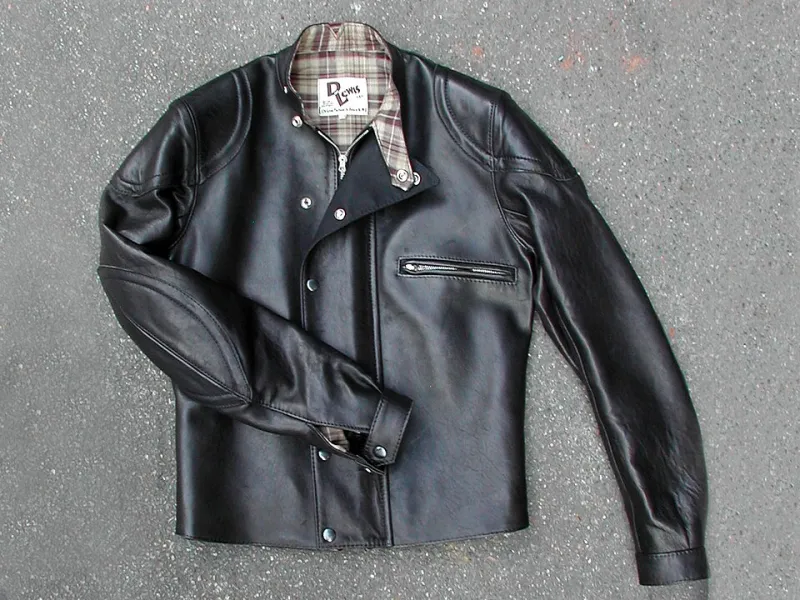
Photo: Timken Bearing, CC BY-SA 3.0, via Wikimedia Commons
There is a school of thought, common enough in the showrooms of Mayfair and the glossy pages of the menswear press, that a leather garment begins its life the day it is bought. We would argue the opposite. A jacket or bag does not truly begin until it has been worn — rained on, sat in, stuffed under an aeroplane seat, and carried through a decade or three of ordinary British weather. Which is precisely why the leather found in estate sales, auction house lots and the wardrobes of the recently departed so often outclasses anything on a shop rail.
This is not sentimentality dressed up as consumer advice. It is a practical observation about material science and human behaviour, and it deserves a proper hearing.
Patina Is a Biography, Not Damage
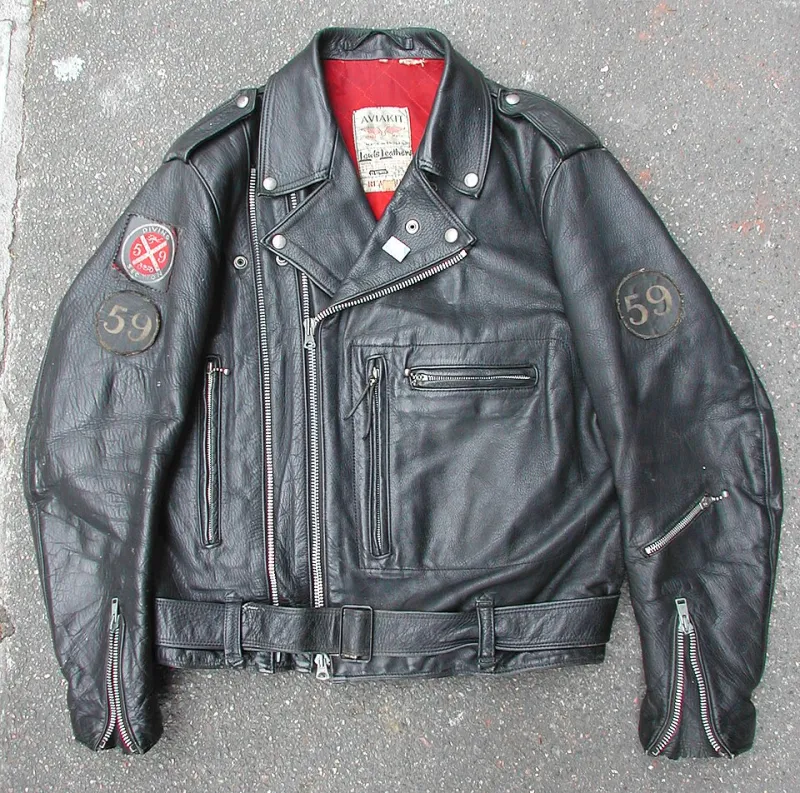
The word 'patina' has been borrowed so liberally by marketers that it has nearly lost its meaning. In its honest sense, patina is simply the record of a life: the darkening at the cuff where a wrist has rested on a desk for thirty years, the softening across the shoulders where a satchel strap has sat, the particular honeyed glow that only decades of errant tea and woodsmoke can produce.
No tannery, however distinguished, can manufacture this. Vegetable-tanned hide will develop it — given time and use — but the process cannot be hurried, bought, or faked convincingly. When you handle a fifty-year-old jacket that has been properly kept, you are holding evidence of daily use, and the leather has grown more supple and more beautiful for it. New leather, by contrast, is a promise. Old leather is a receipt.
There is also something quietly moving about it. A document case that accompanied a solicitor to chambers every morning for four decades carries an authority no pristine example can match. We are not suggesting you buy grief; we are suggesting you respect evidence.
The Practical Eye: What to Check Before You Commit
Enthusiasm must be tempered by inspection. Estate leather ranges from the sublime to the genuinely ruined, and the difference is usually visible within five minutes if you know where to look. We recommend the following order of examination.
The stitching. Run a thumb along every major seam. Sound saddle stitching from a good workshop will hold for a century; what fails is the thread. Look for unravelling at stress points — the armhole of a jacket, the handle mounts of a bag. A few loose stitches at a hem are repairable. Widespread thread rot suggests the piece was stored badly, and often that the leather beneath has suffered too.
The hardware. Zips, buckles, D-rings and clasps tell you how a piece was made and how it was treated. Solid brass will often outlive the hide around it; plated zinc alloy will pit, flake and seize. Work every zip slowly. A stiff but moving zip can be coaxed back; a split one on a jacket means a full replacement — achievable, but a cost to factor in.
The smell. This is not romantic nonsense. Leather that has been stored in a damp attic or a mould-prone garage announces it immediately. Surface mildew can be treated; mould that has penetrated the fibres rarely leaves, and the structural integrity is usually compromised. A healthy old jacket smells of the hide itself — faintly sweet, faintly smoky.
The lining. Turn every jacket inside out, as we have long counselled. A torn lining is a nuisance; a lining that has degraded to powder often means the garment was kept somewhere hostile, and the leather will have suffered the same atmosphere.
The flex test. Gently fold a corner of the leather. Good hide, even old hide, will bend with a soft resistance and a subtle crease. Cracking that shows white beneath the surface dye means the leather has dried out beyond easy rescue. Conditioning will improve it cosmetically; it will not restore strength.
Why Second-Life Leather Is the Honest Form of Heritage
We sell new leather goods, and we are proud of them. But we would be poor custodians of the craft if we pretended that every purchase must be new. The most sustainable garment is the one that already exists, and the most meaningful way to honour British leatherwork is to keep a well-made piece in service rather than in storage or landfill.
There is a financial argument, of course — a quality vintage jacket at auction often costs a fraction of its modern equivalent. But the truer argument is philosophical. Buying second-life leather is an act of stewardship. You are not consuming; you are continuing. The previous owner chose well, looked after the piece, and it has outlasted them. Your job is simply to do the same.
This, surely, is what heritage actually means — not a logo on a label, but a chain of custody running backwards through strangers' lives.
Rescue, or Let Rest
Not every estate piece deserves saving, and restraint is part of good judgement. A ruined jacket left unsold does no harm; a ruined jacket bought out of nostalgia and worn into further ruin helps nobody. Be honest with yourself about repair costs versus value, and be prepared to walk away.
But when you find the genuine article — sound stitching, honest hardware, a patina that speaks of decades well spent — you will know it. It fits like a handshake. Buy it, care for it properly, and in thirty years' time, someone at an estate sale may well be weighing up yours.
That, in the end, is the whole point of the craft.