Where Jackets Go to Die: The Quiet Failure of a Zip
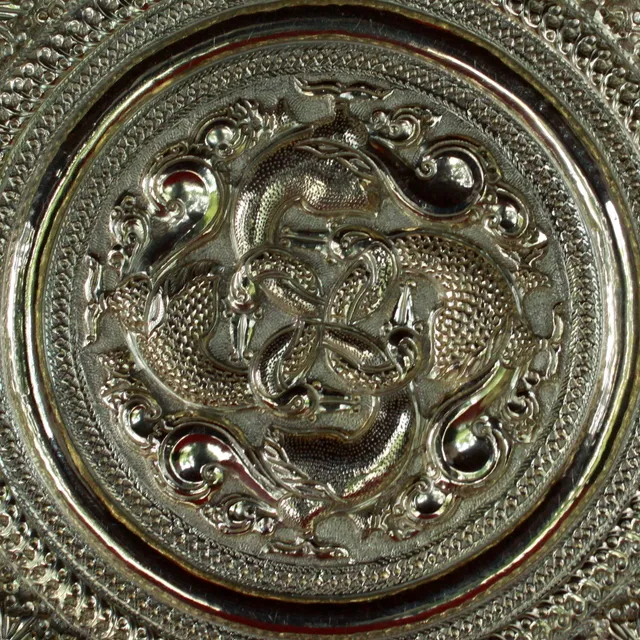
Photo: Kandyan Art Association, CC BY-SA 3.0, via Wikimedia Commons
Ask anyone who has retired a much-loved leather jacket why it went, and they will rarely mention the hide. The leather was fine — softened, darkened, carrying a decade of character. What failed was the zip that refused to close, the buckle tongue that snapped, the clasp that would no longer hold. The hide outlives its fittings almost every time, which makes the hardware the true test of whether a maker intended a piece to last.
The Weakest Link Wears Brass
There is a quiet arithmetic to a well-made leather good. A full-grain hide, properly tanned in one of Britain's remaining tanneries, can plausibly serve for half a century. Yet a jacket assembled around a die-cast zip made to a price rather than a standard will fail long before its twentieth winter. The leather does not wear out; it is betrayed by ten pence worth of metal.
This is why serious makers — the sort who stamp their name into a lining — are fussy about hardware in a way that can seem obsessive. A British-made zip, a solid brass buckle, copper rivets set by hand: these are not decorative indulgences. They are the admission that the maker expects the piece to be used hard, opened and closed thousands of times, and still be serviceable when today's fashions are a memory.
A Short History of British Fittings
The Midlands and the Black Country built their reputation on exactly this kind of metalwork. Walsall, in particular, spent two centuries as the centre of the English saddlery trade, supplying buckles, bits and stirrup fittings to the Army and to the hunting field. The same foundries and stamping shops that once shod the cavalry now supply the better end of the leather goods trade, and their standards have not softened.
Brass remains the hardware of choice for a reason. It does not rust in the British climate, it polishes rather than corrodes, and it carries a warmth that sits naturally against vegetable-tanned hide. Solid brass buckles can be handed to a future generation with nothing more than a rub of metal polish. Nickel-plated alternatives look identical on the shop floor and begin their slow flaking the moment they meet a wet Tuesday in Manchester.
What to Check Before You Pay
The good news is that hardware quality announces itself, if you know where to look.
The zip. Run it up and down several times. It should glide without grit, and the slider should feel weighty in the hand. Look for a brand name stamped on the reverse of the slider — reputable zip makers are proud to sign their work. A nameless, featherweight slider is the single most reliable indicator of a jacket built to a season rather than a decade.
The buckles. Tap it against a hard surface. Solid brass rings with a clear bell-like note; a hollow, tinny sound suggests plated pot metal that will crack at the tongue within a few years. Check the roller, too — a steel roller in a brass frame turns freely and saves the strap from wear.
The rivets and studs. On a bag, look underneath. Rivets should be set through the leather and a reinforcing layer, peened flat and clean. On a jacket, check the collar studs and cuff fastenings; these are the parts handled most and replaced least.
The clasps. Open and close a turnlock or clasp twenty times. It should seat positively, with a click you can feel. Anything vague or mushy will only grow worse.
Salvage, Not Farewell
Here is the consoling part: hardware failure is rarely a death sentence, provided the hide is sound. A good saddler or leather repairer can replace a zip in an afternoon — a job that costs a fraction of a new jacket and preserves every year of patina already earned. Buckles can be swapped, rivets re-set, clasps sourced from the very foundries that supplied the original.
This is, in truth, the old way. A Walsall harness-maker never expected his fittings to outlast the leather, only to be serviceable and replaceable. The mark of a well-designed piece is not that nothing ever fails, but that everything which fails can be mended.
So before you buy your next jacket or bag, spend two minutes with the fittings. Weigh the zip. Listen to the buckle. The leather will look after you for decades — but only if the metal holding it together was chosen by someone who expected it to matter.