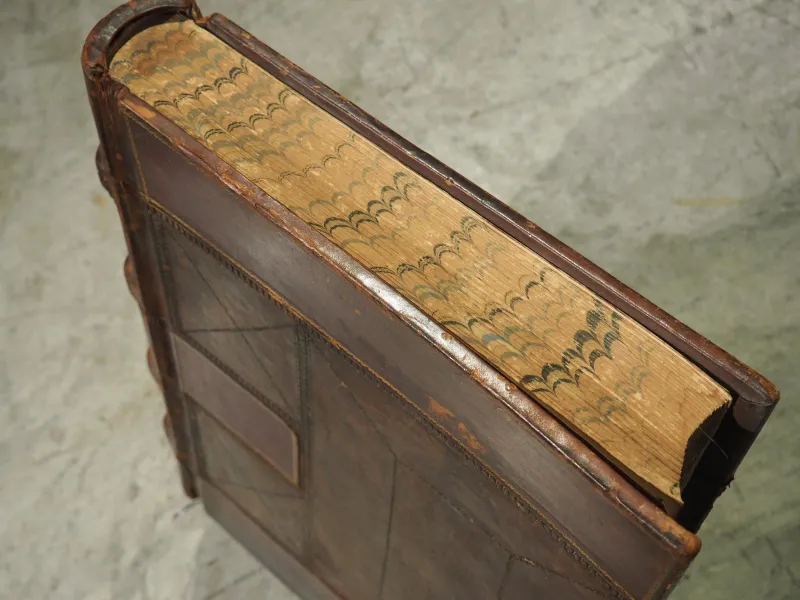
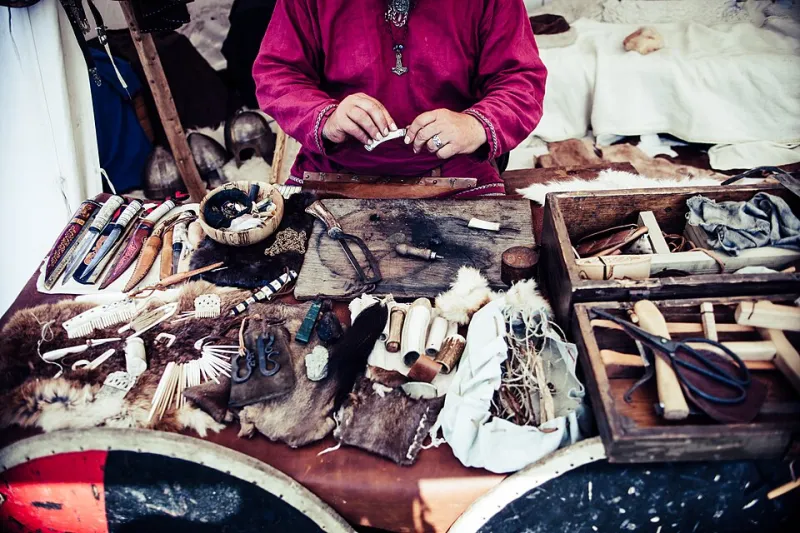
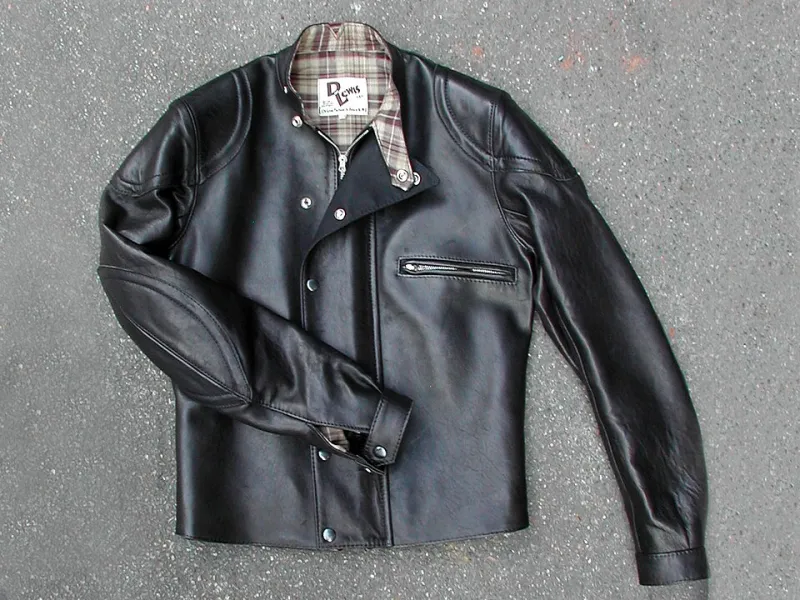
Married in Hide: How the Leather Jacket Became Britain's Most Sentimental Wedding Suit
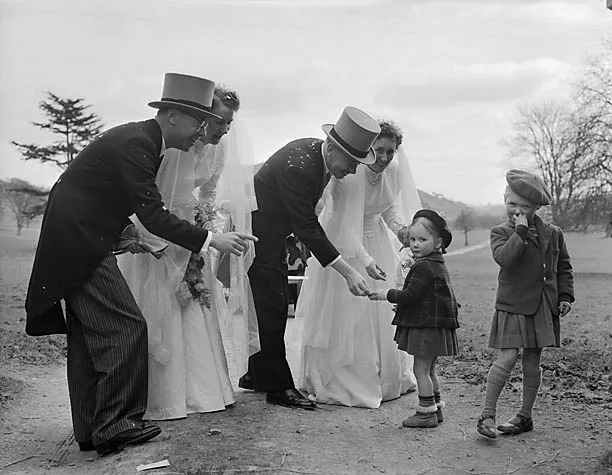
Photo: Geoff Charles, CC0, via Wikimedia Commons
There was a time when the choice was settled by convention. A homburg, a morning coat, a sprig of lily of the valley in the buttonhole. Yet walk past any country church on a Saturday from May to September, or linger outside a registry office in the middle of town, and you will notice something has shifted. More and more British grooms are standing for their photographs in leather.
It is not a rebellion so much as a return. Before the hire suit, before the rented tails and the polyester waistcoats, a man marked the great occasions of his life with garments he already owned and intended to keep. The leather jacket, chosen with care and worn for decades, sits comfortably in that older tradition.
Why Grooms Are Choosing Hide Over Herringbone
Part of the appeal is practical. A British wedding is an outdoor event whether the couple intends it or not. The photographs happen in the churchyard, the reception spills onto a lawn, and the sky does as it pleases. A leather jacket answers this better than almost any alternative: it shrugs off a squally shower, holds its shape in a wind off the pennines, and looks every bit as considered against a tweed kilt or a pair of wool trousers as it does with denim.
Part of it is sentiment, though grooms are rarely encouraged to say so. A jacket bought for a wedding is not a costume worn once and returned to a rail. It becomes the garment in which a marriage began — worn on the day, then on the first anniversary dinner, then on the holidays and the ordinary weekends that follow. Few wedding purchases can make that claim.
Choosing a Jacket That Will Photograph Well
Not every leather photographs kindly, and a wedding album is unforgiving. Keep three considerations in mind.
Colour. Very dark browns and deep chestnuts sit beautifully against church stone, marquee canvas and a bride's white without competing with it. Jet black can read harshly in bright midday light; tan can look washed out in flat grey weather. Mid-to-dark brown is the safe, handsome choice for most British ceremonies.
Cut. A jacket that fits cleanly across the shoulders and closes without strain will look sharp in photographs for decades. Avoid anything overly fashion-led — cropped hems, exaggerated collars, heavy hardware. The photographs from a wedding are looked at for fifty years; the jacket should be able to say the same.
Finish. A full-grain hide with a subtle natural sheen catches light gently and develops character with wear. Heavily corrected leathers and high-gloss finishes can look brittle under a camera flash. If in doubt, ask to see the jacket in daylight before committing — any honest retailer will oblige.
The Buy-Once Argument
There is a financial case hiding inside the romantic one. A decent hire morning suit costs several hundred pounds for a single day. A well-made leather jacket costs more up front, certainly — but amortised across the weddings, christenings, funerals, interviews and anniversary dinners it will attend over twenty or thirty years, it is among the cheapest garments a man will own.
The arithmetic is only half the story. There is also the matter of provenance. A vegetable-tanned hide from a British tannery, cut and stitched by hands that have done the work for a generation, carries a story worth telling at the reception. Guests notice. Grandfathers notice most of all.
Caring for the Jacket After the Day
A wedding jacket will be worn hard — embraced, danced in, perhaps caught in weather between the church and the marquee. Treat it kindly afterwards.
- Let it air for a day on a broad wooden hanger before it returns to the wardrobe
- Wipe away any spilt champagne or gravy with a barely damp cloth, and let stains dry naturally rather than applying heat
- Condition the leather within a fortnight of the day; a wedding is exactly the sort of occasion that draws out the natural oils in a hide
- Store it where it can breathe, never in plastic, and well away from the radiator
Worn Again and Again
Perhaps the finest argument for the leather wedding jacket is the one that arrives years later. The bride's dress goes into a box; the suit is dry-cleaned and forgotten. But the jacket comes out each autumn, softening and settling, carrying the day with it. A groom who chose well will one day find his own children asking to borrow it — and there are few better inheritances than that.