The Decade Coat: Choosing Leather Colour for the Long Haul
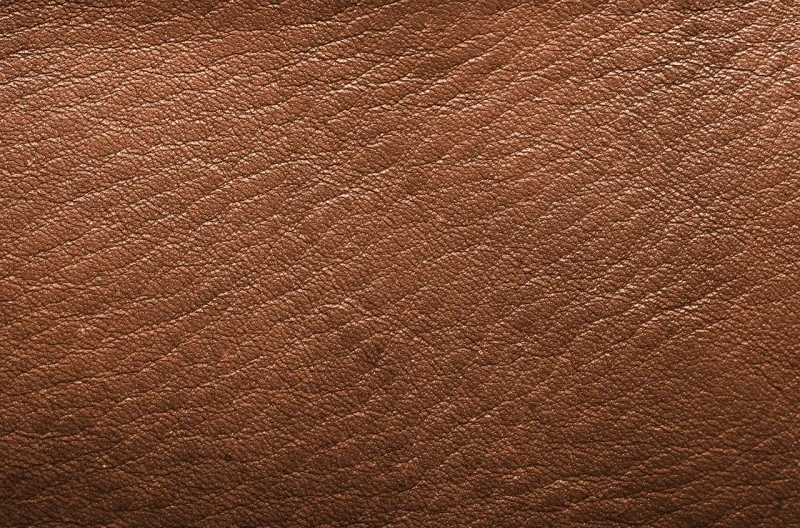
Photo: leather swatches black brown oxblood colour selection, via cdn.pixabay.com
Colour is the first decision a buyer makes and the last one they can change. A leather jacket or bag in black, brown or oxblood is not a seasonal purchase; it is a decade-long commitment. In 2026, with prices where they are and repair rightly back in fashion, the question is not which colour looks best under shop lighting. It is which colour you can live with, repair, and still want to wear in 2036.
Start with the wardrobe you actually have
Ignore the rail of aspirational clothes you bought for a version of yourself who does not exist. Look at the coats, trousers and shoes you reach for on a wet Tuesday. Most British wardrobes are built around navy, grey, charcoal, denim, olive and black. A leather colour should sit inside that palette, not fight it. Black is the safest neutral, but it can read severe against soft tweed or pale denim. Brown is warmer and more forgiving, but it is not one colour. Oxblood is the most distinctive and the least flexible.
The black trap
Black leather is the default for a reason. It is formal enough for a city commute, forgiving of minor scuffs, and easy to match with almost anything. But black is not automatically the best long-term choice. It shows dust and dry leather more readily than mid-brown. It can look flat as it ages, especially on corrected-grain leather. And repair matching is both easier and harder: easy because black is common, harder because a badly matched black patch can look like a shadow. Buy black if your wardrobe is genuinely dark, if you want one jacket for evenings and work, and if you are prepared to keep it conditioned. Do not buy black simply because you are afraid of colour.
Brown is not one colour
Brown covers a wide range: tan, chestnut, conker, chocolate, espresso. The lighter the brown, the more it will show patina and the more it will reward care. Tan and chestnut age beautifully with indigo denim and navy wool. Dark brown is nearly as formal as black and warmer against grey. For a first serious leather purchase in the UK, a mid-brown is often the most useful compromise: it works with country tweed and city coats, it hides a certain amount of rain spotting, and it repairs well because a skilled mender can blend pigmented finishes. The risk is cheap brown, which can turn orange or patchy. Look for depth in the grain, not a flat surface.
Oxblood's narrow courage
Oxblood — or burgundy, or cordovan — is the colour for someone who already knows their wardrobe. It is beautiful with navy, charcoal, denim and olive. It is less useful with black, and it can look theatrical in a formal office. It also shows scuffs and colour loss more clearly than brown. Repair matching is possible but requires a specialist. Choose oxblood if you want a piece that feels personal, if you already own the neutral jacket, and if you are willing to accept that it will never be the quietest thing in the room. It is not a beginner's colour, but it is a rewarding one.
Formality, patina and repair matching
Think in terms of three axes. Formality: black is most formal, dark brown next, mid-brown and oxblood more casual. Patina: lighter and warmer colours show it; black hides it until it looks tired. Repair: black and dark brown are easiest to match; tan and oxblood need a mender who understands finishes. If you want one piece to do everything, choose dark brown. If you want one piece for work and evening, choose black. If you want one piece to enjoy and keep for twenty years, choose a mid-brown or oxblood and accept the maintenance.
The resale question
Resale is not the reason to buy, but it is a signal. Black and dark brown hold their appeal because they are broadly wearable. Oxblood has a devoted minority market. Tan can be excellent if the leather is good, but it can also look dated if the cut is wrong. A well-made jacket in a conservative colour will always find a second wearer. A well-made jacket in a difficult colour needs the right buyer. Buy the colour you will wear, but do not pretend resale does not exist.
A simple framework
If this is your first leather jacket, choose black or dark brown. If you wear mostly navy, grey and denim, choose mid-brown. If you already own a black jacket and want a second, choose oxblood or tan. If you wear suits daily, choose black or dark brown. If you live in tweed and country coats, choose mid-brown. If you are unsure, wait. A decade is a long time to spend with a colour you chose in ten minutes. In 2026, the best leather purchase is the one you can still justify in 2036 — and colour is where that justification begins.