Weathered, Not Ruined: A Seasonal Guide to Leather Care in the British Climate

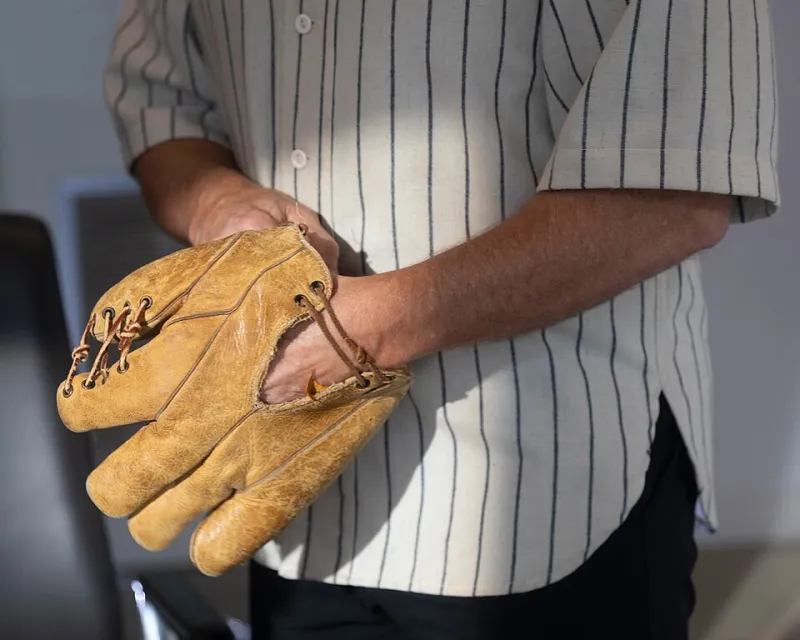
Photo: Bruce Matsunaga from Ahwatukee, USA, CC BY 2.0, via Wikimedia Commons
There is a particular kind of optimism required to own good leather in Britain. The moment a new satchel sees daylight, the forecast turns. Yet this damp island has produced some of the world's finest tanneries precisely because our leather has always had to cope with rain. Oak bark tanning in Devon, bridle leather from the Midlands — these were not developed for display cabinets. They were made for farmers, riders and postmen who worked through weather that would end lesser materials.
The good news is that a few well-chosen habits will see a quality piece through decades of British winters. The bad news is that neglect is unforgiving. Here is how we approach the calendar.
Autumn: The Season of Preparation
Before the first proper downpour of October, treat leather as a sailor treats a hull before launch. Clean gently with a barely damp cloth to lift summer dust and city grime, then allow the piece to dry naturally — never beside a radiator, which will dry the oils out of the hide faster than any weather can.
Once clean, apply a quality conditioner sparingly. A common error is to over-feed leather; it is skin, not timber, and it needs only a thin, buffed layer. For waxed and bridle leathers, a touch of appropriate balm will restore the water-resistant finish that makes these hides so suited to our climate.
Winter: Salt, Slush and Central Heating
January is arguably harder on leather than November rain. Rock salt, scattered generously across pavements, leaves white tide-marks on boots and bag bases if left overnight. Wipe salt residue away with a cloth dampened in clean water as soon as you are home, then let the piece dry at room temperature.
The quieter enemy is central heating. A hallway at twenty-two degrees all winter will gradually parch leather, drawing out the fats that keep the fibres supple. If your jacket lives on a hook by the radiator, move it. Store pieces on broad, shaped hangers in a breathable garment bag, away from direct heat, and condition slightly more often than you think necessary.
Spring: The Inspection
Spring is the season for honesty. As the light improves, examine seams, edge paint and hardware. Check the lining of a jacket at the cuffs and hem, where wear shows first. Look at the underside of bag straps, which take more strain than any other component. Small issues caught now — a loose stitch, a drying edge — are inexpensive to resolve. Left until autumn, they become repairs.
This is also the moment for a deeper clean before storage. If you are putting winter pieces away, do so clean and conditioned, in cotton rather than plastic. Leather sealed in plastic in a damp cupboard is an invitation to mildew, and mildew is the one adversary no conditioner will forgive.
Summer: Festivals, Fields and Unexpected Sun
British summers are deceptive. Even a grey August can deliver a full day's rain at an outdoor festival, and leather that is soaked through should never be rushed. Blot excess moisture, pack the piece loosely with newspaper to draw damp from the lining, and let it dry slowly. It will stiffen as it dries; a conditioning once fully dry will restore its hand.
And do not forget the sun. A jacket left across the back seat of a car for a fortnight will fade unevenly, particularly on vegetable-tanned hides. Rotate where pieces are displayed and stored, much as you would a rug.
The Principle Beneath the Routine
Every one of these habits reduces to a single idea: leather fails through extremes, not through use. Too much heat, too much water, too long untreated — these are what ruin a piece. Regular wear, gentle cleaning and seasonal conditioning will carry a well-made jacket or bag through the greyest of winters and beyond.
Our grandfathers' leather survived because it was made for this weather and because it was looked after. The first part we can guarantee. The second is up to you.